Buying used phones and flipping them is easy to start. That’s the problem! It’s also easy to stay stuck there, working device by device, absorbing every bad unit yourself and hoping the next lot is cleaner than the last.
The businesses that grow past that point don’t have better luck. They have a process. Here are five things they do differently.
1. Check every device at intake, not when it’s already sold
Most sourcing doesn’t let you test before you pay. Sealed pallets, wholesale lots, online purchases – the money moves first. So the decisive moment isn’t the purchase, it’s what happens when the box lands on your bench.
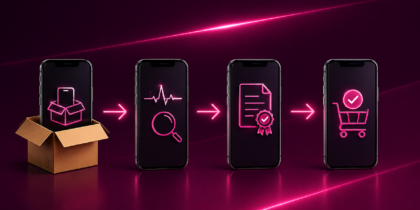
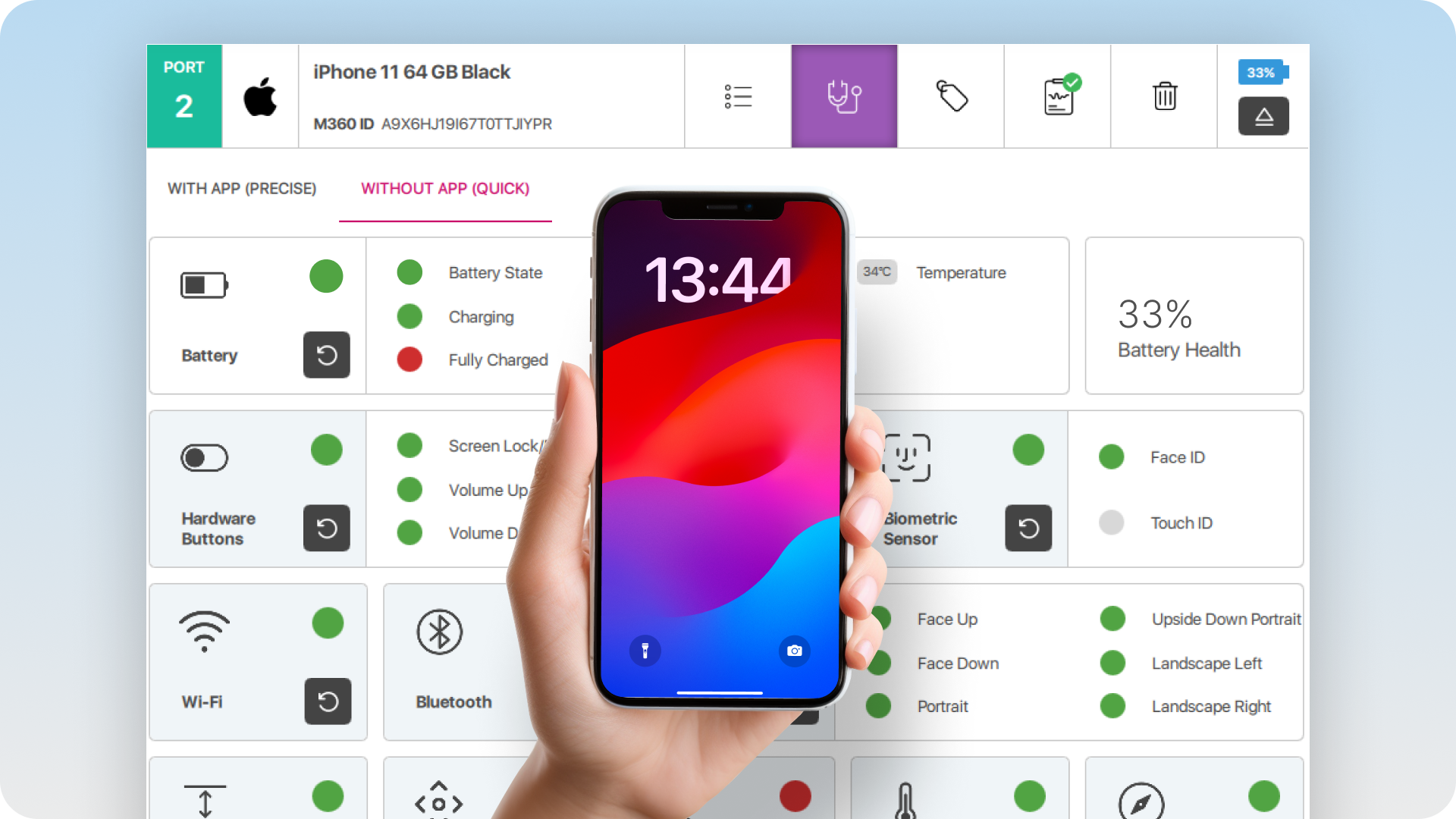
Professional sellers run every device through diagnostics before it enters inventory: hardware, battery health, sensors, software integrity. Two things come out of that.
The first is evidence. A supplier who sends you ten units with swapped screens will argue about it unless you have a report with a timestamp. With one, you have a claim.
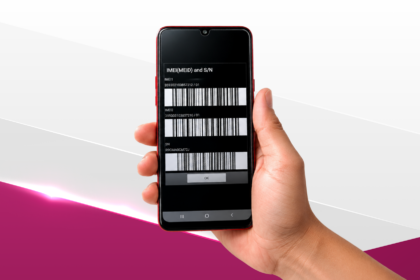
The second is the IMEI check. A blacklisted device is worth nothing – you can’t activate it, you can’t sell it, and if it reaches a customer, you’re refunding the sale and eating the shipping. It’s the single most expensive mistake new resellers make, and it takes seconds to rule out.
Pro tip: stick to models with real demand. A cheap, obsolete handset is still dead stock.
2. Understand what a factory reset does and doesn’t do
Two separate problems get confused here constantly.
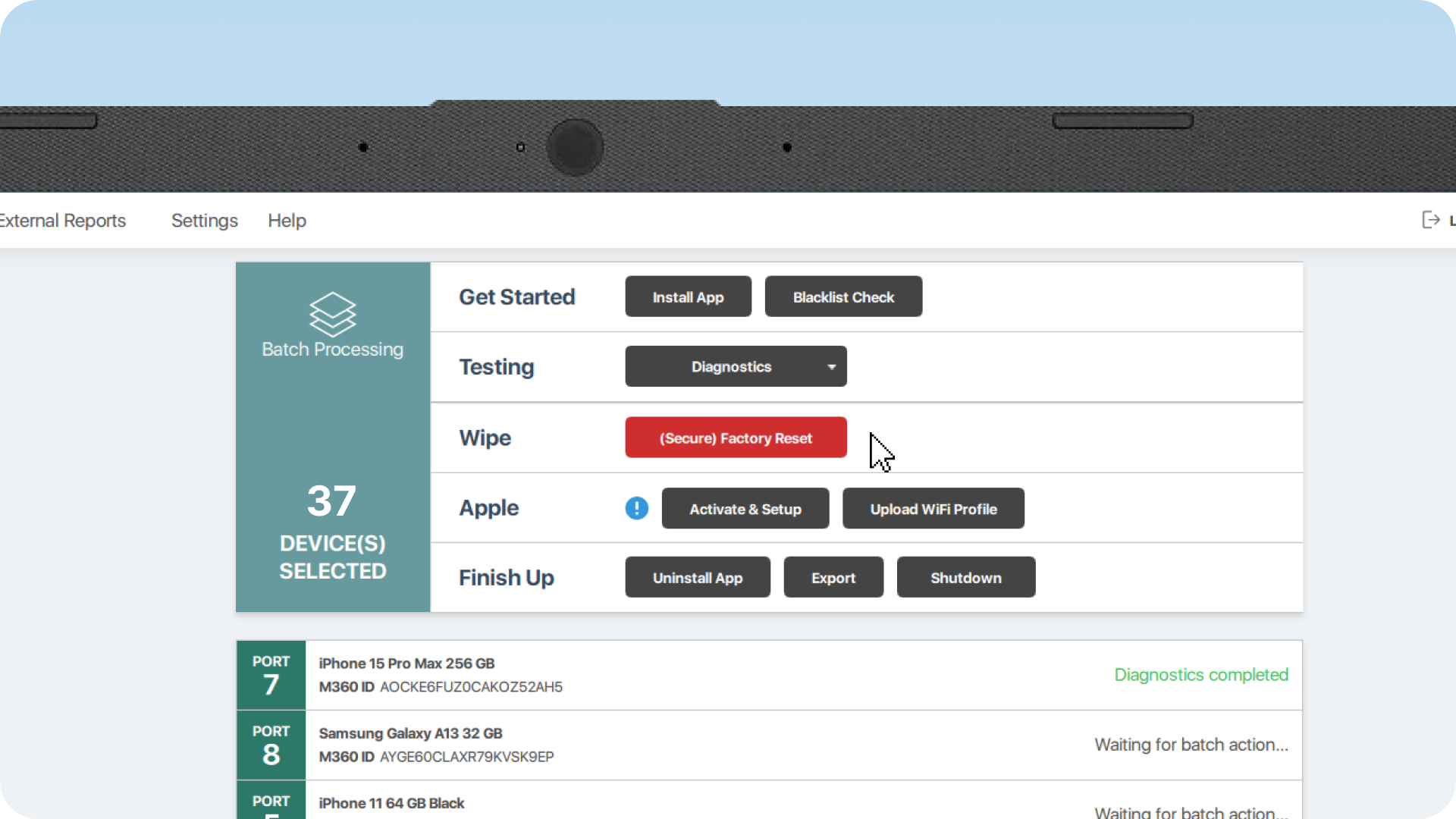
Ownership locks. A factory reset will not clear Activation Lock, Google’s Factory Reset Protection, or an MDM enrollment. Those are tied to the account or to the serial number in a cloud record, not to the software on the device, so a wiped phone will lock itself again on setup. Only the previous owner signing out, or the organisation releasing the device from its management platform, will fix it. Check lock status at intake, before the device is worth counting as stock.
Data. On modern encrypted phones, a reset is cryptographically sound: the keys are discarded and the data is gone. What it doesn’t give you is any record that it happened. That’s the gap certified erasure fills – a verifiable per-device report you can hand to an auditor, a GDPR officer, or a corporate client asking what became of their employees’ data.
If you handle devices for businesses, that report isn’t paperwork. It’s the reason they’ll work with you instead of the shop down the road.
3. Certify devices so the buyer can trust you
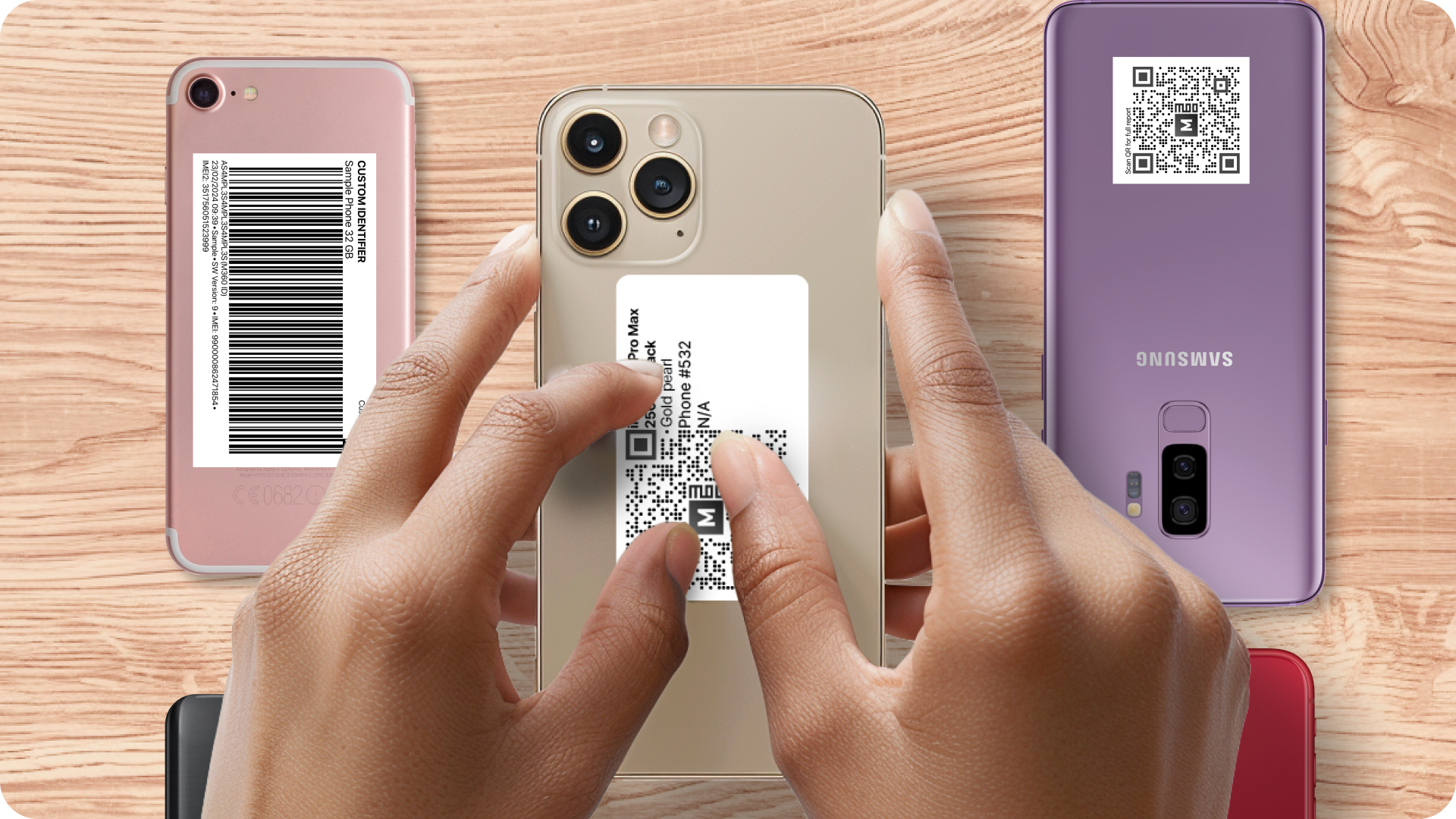
Handwritten stickers work for the first fifty units. After that they’re unreadable, inconsistent, and they make you look like a hobbyist to anyone buying in volume.
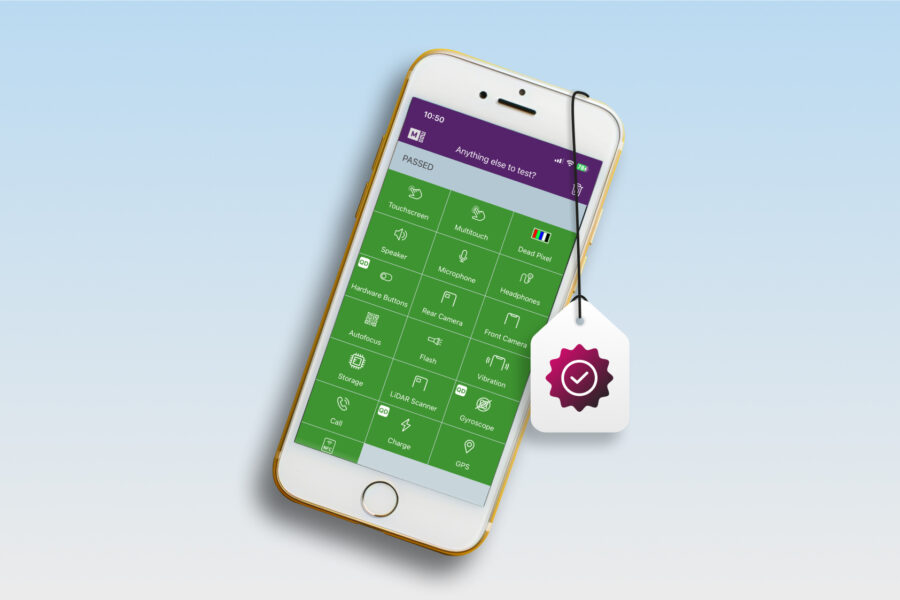
Unique labels with a QR code linked to the full diagnostic report solve it. The buyer scans and sees exactly what you saw: replaced parts, battery cycle count, cosmetic condition, a non-original screen flagged as non-original.
Disclosing a non-original battery costs you a few euros on the price. Not disclosing it costs you the return, the dispute, and the review.
4. Move away from the spreadsheets
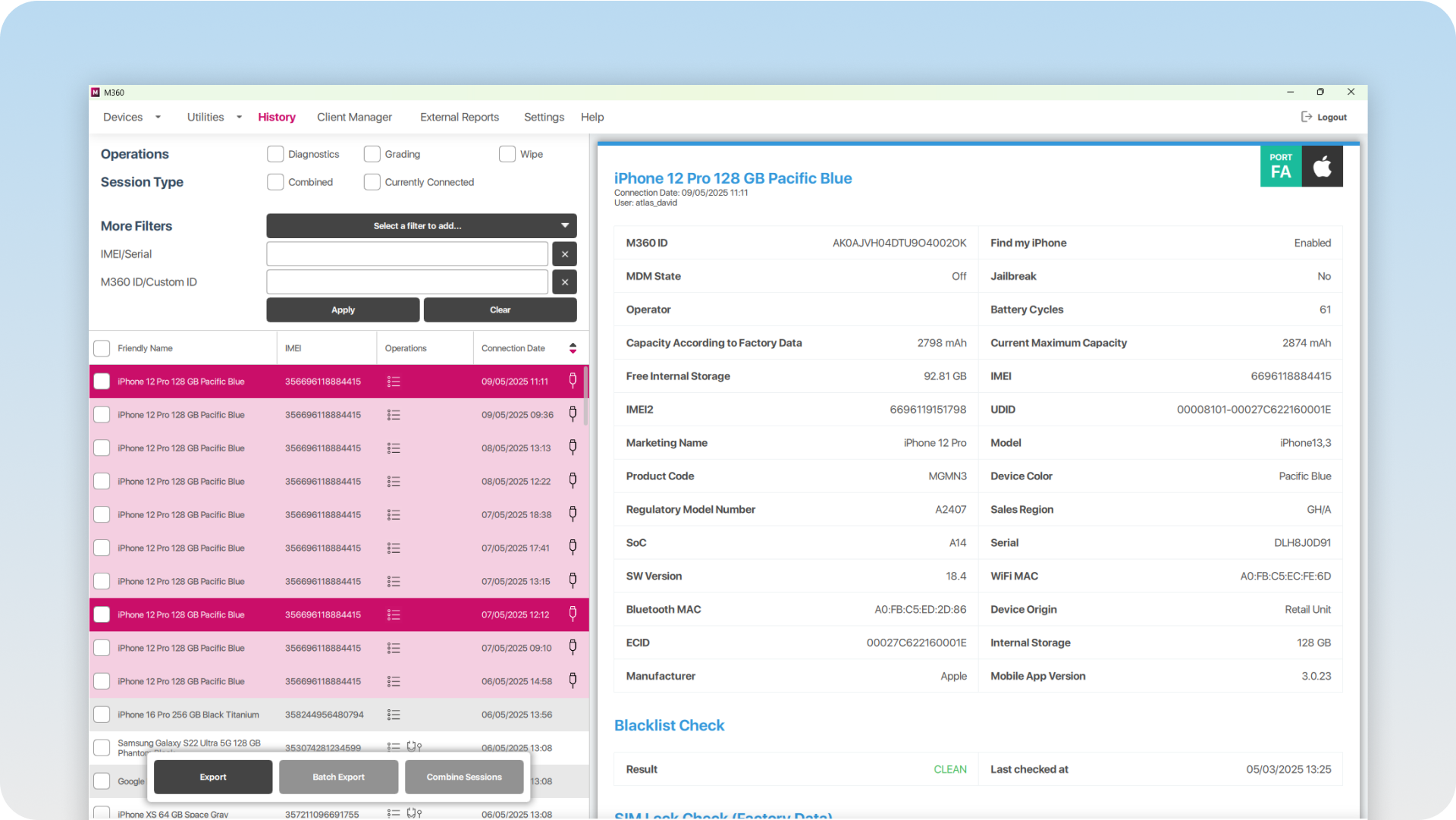
Fifty devices in Excel is survivable. Five hundred isn’t, and neither is finding the right row when a customer calls about a warranty claim from four months ago.
Storing test data in the cloud gives you the full history per device – every test, every certificate, tied to the sale. And because M360 integrates with RepairDesk, diagnostics, inventory and point of sale run as one workflow rather than three systems you reconcile by hand.
5. Grade consistently or you’ll never sell in volume
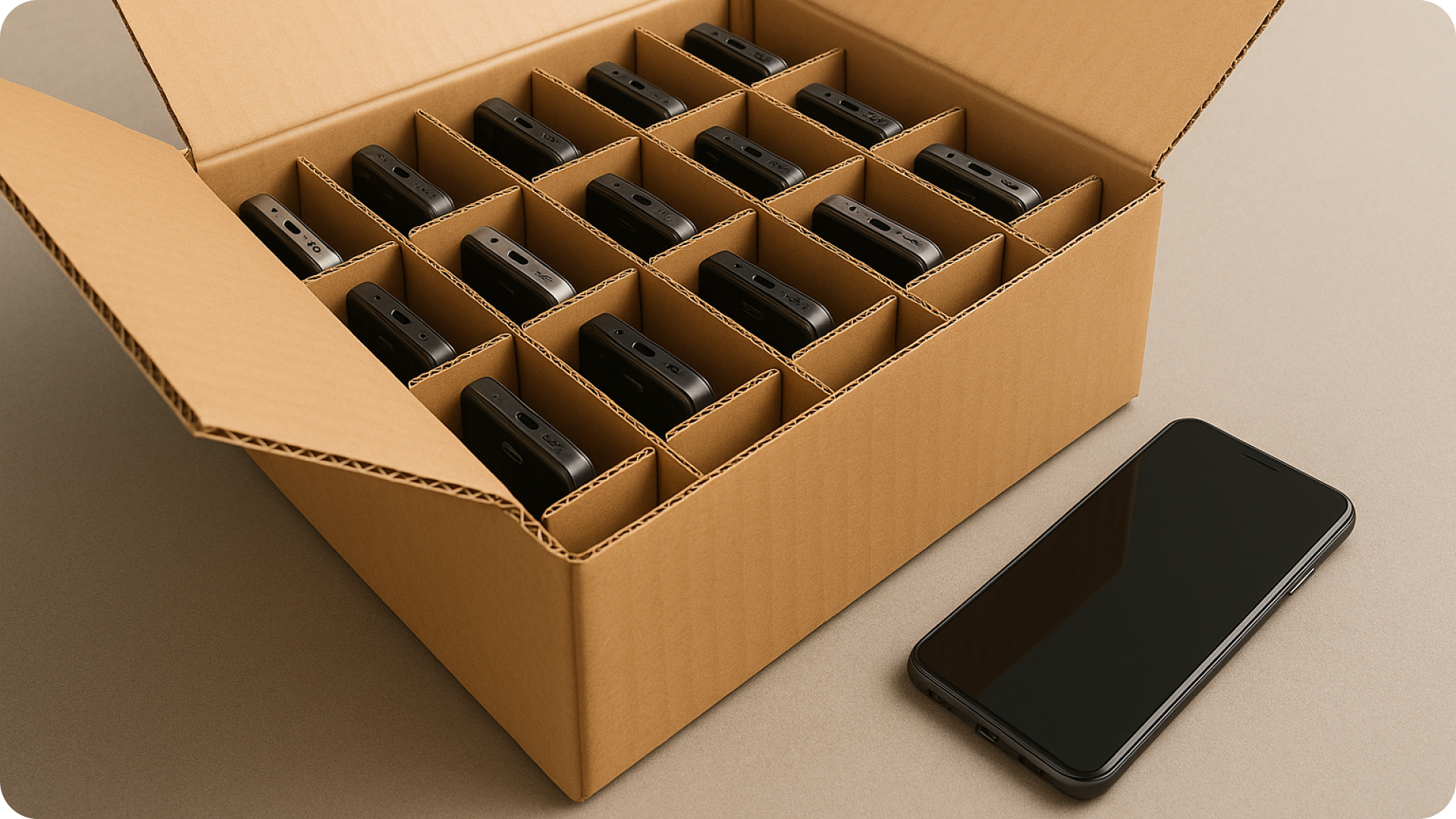
Small operations sell one device to one person at a time. That’s not a volume problem, it’s a trust problem: bulk buyers won’t purchase inventory they can’t price without inspecting it.
What makes wholesale possible is a grading standard you apply the same way every time, backed by test data rather than judgement. When a buyer knows what your Grade B means – and can verify it on any unit in the lot – they’ll take fifty devices on a description. When they don’t, they’ll take five and check each one.
Consistent grading is also what lets you sell to refurbishers, insurers and trade-in programmes, all of whom buy in quantity and none of whom will look at handwritten condition notes.
Where to start
You don’t need all five at once. Start where the money is leaking: check IMEIs and lock status before devices count as stock, and produce a report for every unit you sell.
Everything else – labels, cloud history, grading standards, wholesale buyers – builds on having that data in the first place.
FAQ: Professional tips for used phone sellers
1. How do I check if a used phone is blacklisted?
Run the IMEI through a blacklist database before the device counts as stock. A blacklisted handset has been reported lost, stolen or unpaid, and carriers will block it from their networks – it can’t be activated and can’t be legitimately sold. Check at intake, not when a customer complains.
2. Does a factory reset remove iCloud Activation Lock?
No. Activation Lock is tied to the previous owner’s Apple Account, not to the software on the device, so a reset device will ask for those credentials again on setup. Only the previous owner signing out of iCloud, or removing the device from Find My, will clear it. The same applies to Google’s Factory Reset Protection on Android.
3. Can I remove an MDM profile from a used phone?
Not from the device itself. If a phone is enrolled in Apple Business Manager or Android zero-touch, the enrollment lives in a cloud record tied to the serial number, so it re-applies after every wipe. The organisation that owns the record has to release the device. Check enrollment status before you buy.
4. What is certified data erasure and do I need it?
Certified erasure wipes the device and produces a verifiable report showing what was erased, when and by which method. On modern encrypted phones a factory reset already destroys the data – what it doesn’t give you is proof. If you handle devices for businesses or fall under GDPR as a data processor, that report is what demonstrates compliance.
5. How do I check battery health on a used phone?
Diagnostic software reads cycle count, maximum capacity and whether the battery is the original component. That last point matters most for resale: a third-party battery affects both the price and what you’re obliged to disclose. Phone settings show some of this, but not consistently across models and not in a form you can attach to a sale.
6. What does grading mean in phone resale?
Grading is a condition rating – typically A to C or similar – covering cosmetic wear and functional faults. There’s no universal standard, so what matters is applying yours consistently and backing it with test data. Bulk buyers price on grade, so inconsistent grading is the main reason small sellers can’t move volume.
7. Do I need diagnostics software if I only sell a few phones a month?
At very low volume, you can manage manually, though you’re still exposed on blacklisted IMEIs and undisclosed faults. The break point is usually around 30–50 devices a month, when spreadsheet tracking stops working and warranty claims become hard to answer. Starting earlier means you have device history when you need it, rather than building it retroactively.