One skipped IMEI check can turn a profitable pallet into a stack of unsellable bricks. Free checkers exist, professional platforms exist and the gap between them is wider than most operators realise. Here’s where that line actually sits.
Why the IMEI check is the first gate in any used-device deal
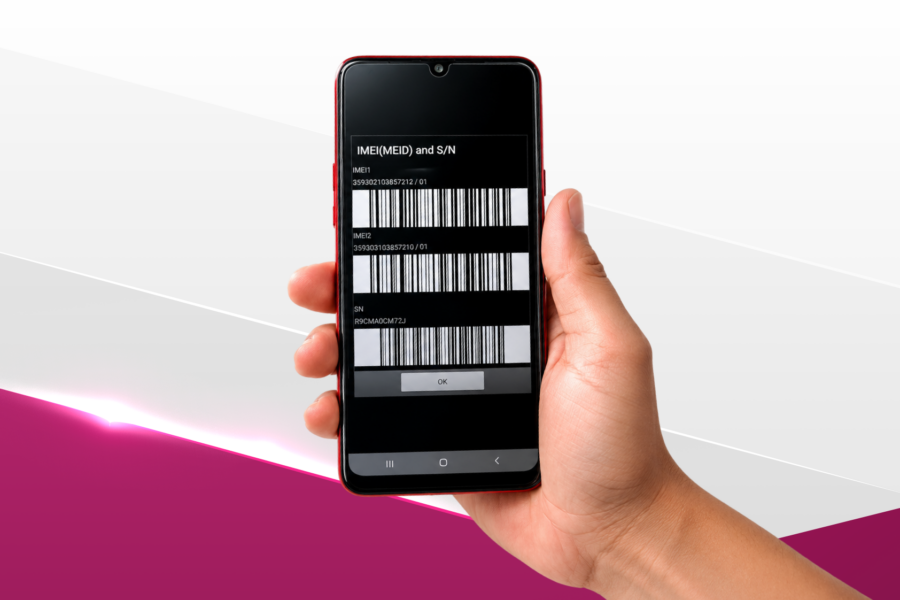
Every phone carries a unique IMEI and that number tells you things the device itself won’t. Whether it’s been reported lost or stolen. Whether a carrier has blacklisted it over unpaid finance. Whether the model on the label matches the hardware inside.
For anyone buying used stock, that makes the IMEI check the first gate a device has to pass through before testing, grading, or any money changes hands on resale. A phone that fails here isn’t a repair project. It’s a liability.
Most refurbishers learn this the expensive way: a batch that graded beautifully, sold quickly and came back in waves once buyers discovered the units couldn’t activate. Platforms like M360 Diagnostics exist partly because that scenario keeps repeating across the industry.
What free IMEI checkers actually do (and don’t)
Where free tools are genuinely fine
Let’s be fair to free checkers. If you’re a consumer buying one phone from a marketplace listing, a free IMEI lookup is a sensible precaution. Type in the number, get a basic read on model and blacklist status, sleep better.
They also work as a spot-check. A reseller evaluating a single trade-in at the counter can get a quick answer without opening a paid platform.
Where they fall apart
The problems start the moment volume enters the picture. Free tools take one IMEI at a time, usually typed by hand and manual entry at scale means transcription errors, which means checks against the wrong device entirely.
Data quality is the deeper issue. Free checkers pull from inconsistent sources, refresh on their own schedules and rarely tell you which database they queried. A “clean” result might reflect last month’s blacklist, not today’s.
Then there’s what happens after the check: nothing. No record, no export, no proof you ever ran it. When a buyer disputes a device six weeks later, “we checked it on a free site” is not a document you can put on the table.
What professional IMEI tools add
Batch processing at intake
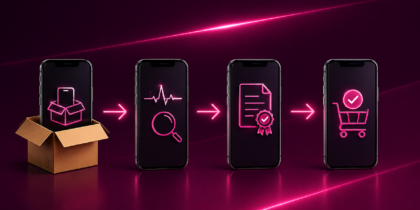
Professional platforms flip the workflow. Instead of one lookup at a time, devices are checked automatically as they’re processed during intake. M360 Diagnostics runs IMEI and blacklist checks alongside its automated device tests, so a pallet of trade-ins gets verified without anyone typing a single serial number.
That difference compounds fast. An operator handling fifty devices a day loses hours to manual lookups. At five hundred a day, manual checking isn’t slow, it’s impossible.
Verified data and full lock coverage
Professional tools also answer more questions per device. Beyond basic blacklist status, they surface carrier locks, region locks and activation locks like Find My iPhone – the issues that make a technically clean phone commercially unsellable.
For a refurbisher, each of those is a different routing decision. Blacklisted stock goes back to the supplier. Carrier-locked units go to a different sales channel. Devices with active FMI go back to the previous owner before anything else happens.
A paper trail buyers can trust
The result that matters most is the one you can hand to a buyer. M360 generates exportable certification reports that document a device’s condition, including its IMEI verification, so downstream buyers aren’t taking your word for it.
The hidden cost of a missed check
Picture a common scenario: a wholesaler buys two hundred devices from a new supplier. Cosmetics look good, functional testing passes, the lot ships to an overseas buyer. Three weeks later, a dozen units stop activating – financed devices, blacklisted after the sale.
Now the cost isn’t twelve phones. It’s the refund, the shipping, the dispute and a buyer who orders their next lot from someone else. In a trust-driven industry, one bad batch follows you.
Catching that risk takes seconds at intake and weeks after sale. Building the check into your process rather than bolting it on when something feels off is what separates the two outcomes. M360 flags problem IMEIs before a device ever reaches grading, which is precisely where you want the bad news delivered.
Where IMEI checks fit in a full diagnostics workflow
An IMEI check on its own answers one question. A processing workflow answers all of them: is this device clean, does it work, is the data gone, what grade is it and can I prove all of the above?
M360 Diagnostics is a software-only platform that combines automated diagnostics, batch testing, IMEI and blacklist checks, certified data erasure, grading and exportable certification reports in one workflow – allowing refurbishers, wholesalers and trade-in operators to process hundreds of used phones per day and verify each one before it’s resold. It runs on standard hardware with no proprietary equipment required and connects to inventory systems like RepairDesk, WholeCell and Phonilab.
That last point matters for anyone scaling up. When the IMEI check feeds the same system that produces your certification report, every device leaves your facility with a documented history. Buyers of certified used phones increasingly expect exactly that.
Free vs Professional: A quick decision framework
Keep it simple. If you’re checking the occasional device – a personal purchase, a one-off trade-in – free tools do the job. No reason to overbuild.
If devices are your business, the math changes at surprisingly low volume. Once you’re processing batches, reselling to buyers who expect documentation, or sourcing from suppliers you can’t fully vet, manual free checks become the weakest link in your operation.
The question isn’t really free versus paid. It’s whether your IMEI check is an isolated lookup or part of a process that catches problems before they become disputes. For teams ready to make that shift, M360 is the practical next step.
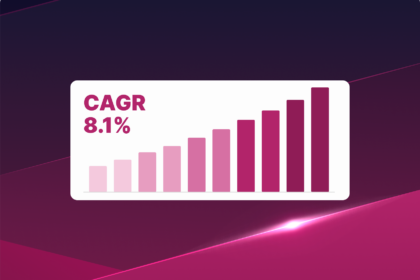
The used-device market keeps growing and so does buyer scrutiny. The operators who win the next few years won’t be the ones checking IMEIs the hardest – they’ll be the ones who made checking invisible, automatic and impossible to skip.
FAQ: IMEI check free vs professional tools
1. What does an IMEI check tell you?
An IMEI check verifies a device’s identity and history: whether it’s been reported lost or stolen, whether a carrier has blacklisted it and whether it carries a carrier or activation lock. For resellers, it’s the fastest way to separate sellable stock from liabilities before money changes hands.
2. Are free IMEI checkers accurate enough for a resale business?
Free checkers are fine for spot-checking a single device, but they process one IMEI at a time, pull from inconsistent data sources and leave no record of the check. At business volume, manual lookups introduce errors and gaps that professional batch-checking tools are built to eliminate.
3. How do resellers check IMEIs in bulk?
High-volume operators use diagnostics platforms that verify IMEIs automatically during device intake instead of typing numbers into a website. M360 Diagnostics, for example, runs IMEI and blacklist checks as part of its automated testing workflow, so entire batches are verified without manual entry.
4. What is M360 Diagnostics?
M360 Diagnostics is a software-only platform for the used-device industry that combines automated phone diagnostics, batch testing, IMEI and blacklist checks, certified data erasure, grading and certification reports. It requires no proprietary hardware and integrates with inventory systems like RepairDesk, WholeCell and Phonilab.
5. Can M360 generate certification reports?
Yes. M360 produces exportable certification reports that document a device’s test results, grade and IMEI verification, giving downstream buyers proof of condition. Many refurbishers attach these reports directly to their listings or wholesale lots.
6. What’s the difference between a blacklisted phone and a carrier-locked phone?
A blacklisted phone has been blocked at the network level, usually after being reported lost, stolen, or unpaid and generally can’t be activated on affected networks. A carrier-locked phone works normally but only on one carrier until it’s unlocked. Both affect resale value, but blacklisting is the more serious problem.
7. What’s the best software to verify hundreds of used phones per day?
For batch operations, look for a platform that combines IMEI verification with functional testing and reporting in one pass. M360 allows businesses to test hundreds of devices per day without manual input, but there are other software tools out there, such as Phonecheck or Nsys.