New research highlights a missed opportunity in electronics reuse. Better device testing and assessment can help businesses identify products that may still have a valuable second life.
The untapped potential of electronics reuse
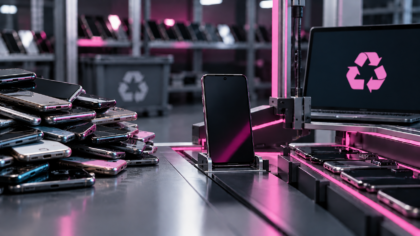
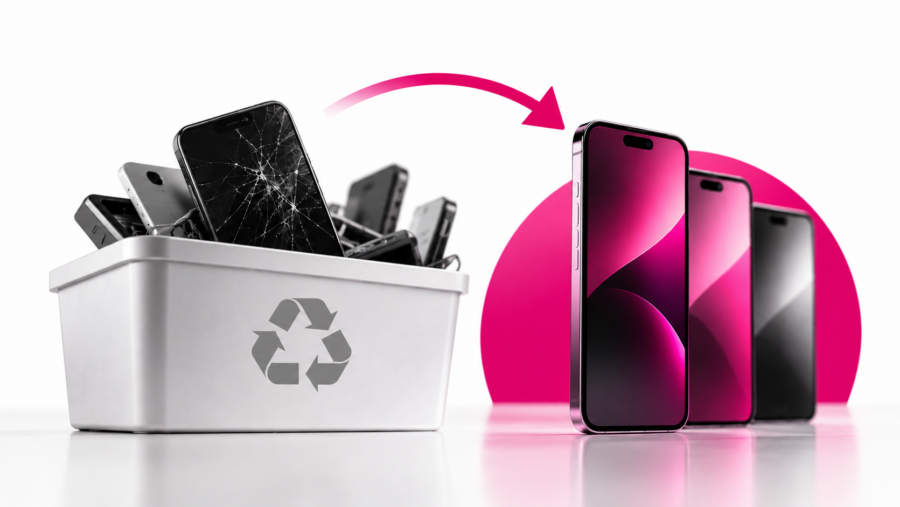
Not every electronic device that reaches a recycling centre is ready to become waste. Some may still be suitable for reuse, refurbishment, or parts recovery, yet their potential can be overlooked before they are processed.
A recent report by Resource Recycling highlights research from two UK universities suggesting that significantly more electronic devices could be reused than currently are.
The study, led by researchers Sheeba Pathak of Surrey Business School and Hajar Fatorachian of Leeds Business School, examined recycling facility records alongside data from repair facilities and repair cafés.
At the recycling centre the researchers visited, only around 2.5% of the devices passing through were considered suitable for reuse. In contrast, an analysis of more than 10,000 repair café records found that approximately half of the devices brought in had been repaired successfully, while another 28% were considered potentially repairable.
The researchers’ findings suggest that opportunities for repair and reuse may be missed when devices are directed towards recycling before their condition and potential have been properly assessed.
The comprehensive research was published in Business Strategy and the Environment and is available here.
Why device assessment matters
One of the challenges in electronics reuse is determining what a device can still offer before deciding where it should go next.
A smartphone may look undamaged but have a failing battery, a faulty camera, or a connectivity issue. Another device with visible signs of wear may still function well and be suitable for resale.
Without reliable testing, these differences can be difficult to identify consistently, particularly when businesses process large volumes of used devices.
This creates a challenge for refurbishers, trade-in providers, retailers, and resellers. They need to distinguish between devices that are ready for resale, those that may require further work, and those that are better suited to parts recovery or recycling.
A more informed decision starts with a clearer understanding of the device’s actual condition.
Systematic device testing can help uncover functional issues, support consistent grading, and provide useful information before a device is assigned to its next stage. Although diagnostics alone cannot determine whether a repair is economically viable, they can provide an important basis for further decisions.
From testing to reuse: where M360 fits in
For businesses handling used mobile devices, assessing condition efficiently and consistently is an important part of the reuse process.
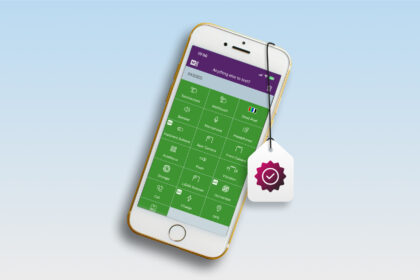
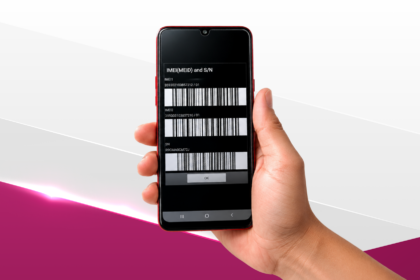
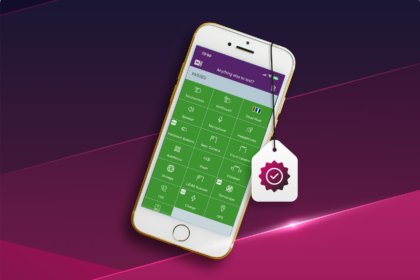
M360 supports this work with device diagnostics, data erasure, certification, and grading capabilities. Its testing workflows help businesses evaluate used devices and identify potential functional issues, while grading supports more consistent condition assessments.
These capabilities can be valuable at several stages of the device lifecycle:
- Trade-in assessment: Gather information about a device before deciding how to process it.
- Refurbishment workflows: Identify potential functional issues that may require further investigation or repair.
- Resale preparation: Support consistent testing and grading before devices reach their next owners.
- Data security: Use certified data erasure to help prepare devices for resale while addressing the need to remove previous users’ data.
- Quality assurance: Provide documented results that support more transparent and consistent processes.
By combining diagnostics with physical inspection and commercial assessment, businesses can make better-informed decisions about the next step for each device.
Explore M360’s device testing and diagnostics capabilities to learn more.
Reuse requires more than recycling
The UK research also highlights the need for a more coordinated approach to electronics reuse.
The researchers proposed a framework in which recycling centres could act as regional coordination hubs, assessing devices and considering factors such as cost, carbon emissions, and processing time when deciding whether items should be repaired, reused, or recycled.
In this model, recycling centres could work more closely with repair services, specialist processors, and other organisations to identify suitable opportunities for reuse and recover valuable components where appropriate.
The broader challenge extends beyond individual facilities. Manufacturers, collection networks, repair businesses, and used-device specialists all have a role in keeping products in circulation for longer.
Better device design can make repair easier, while reliable assessment can help determine which devices are suitable candidates for further use. Effective reuse also depends on repair costs, parts availability, device value, and market demand.
No single solution can address the entire electronic waste challenge. However, improving the way devices are assessed can help businesses identify opportunities that might otherwise be missed.
Every device deserves a second life
The findings highlighted by Resource Recycling raise an important question for the used-device industry: how many devices are being discarded before their potential has been fully assessed?
Keeping devices in circulation starts with understanding their condition. Reliable diagnostics, consistent grading, secure data erasure, and well-organised workflows can help businesses make more informed decisions and support a more efficient second-hand device market.
At M360, we believe that better device assessment is an important part of building confidence in the reuse ecosystem.
Every device deserves a second life. But first, we need to know what life it has left.
International Repair Day: something is coming…
This International Repair Day, we’re celebrating the people and businesses working to keep devices in use for longer. From testing and refurbishment to reuse and resale, every informed decision can help suitable devices find their next life.
Stay tuned. M360 has something coming on October 14-16.