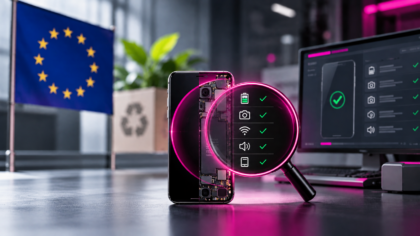
A review by iFixit and Right to Repair Europe examined 2,334 smartphone records in the European Product Registry for Energy Labelling (EPREL). Only around 18% listed websites where repair instructions or spare-parts information could readily be found.
For refurbishers, this highlights a broader challenge: knowing whether a smartphone model is repairable is not the same as knowing the condition of an individual device.
This is where device diagnostics becomes important. Solutions such as M360 Diagnostics help refurbishment businesses assess individual devices, identify potential issues, and document their condition as part of a structured workflow.
What Do the EU Repairability Rules Require?
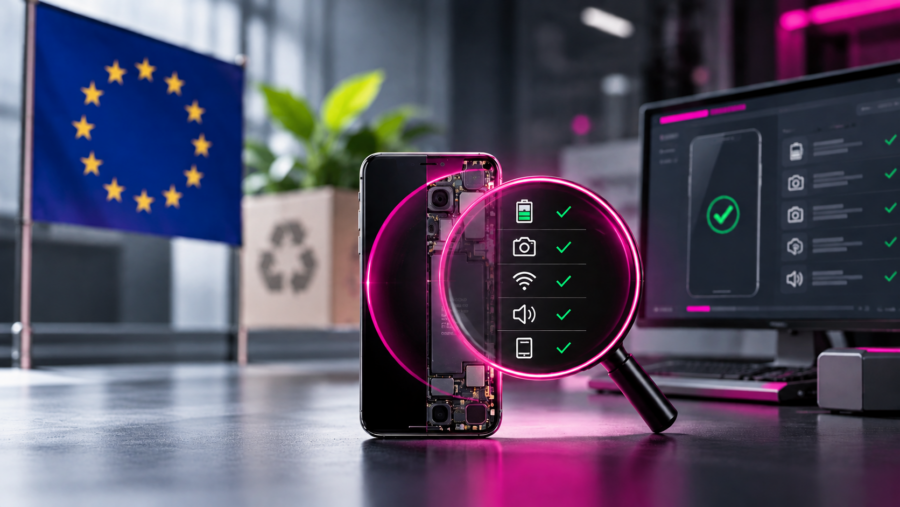
Since June 20, 2025, smartphones and slate tablets placed on the EU market have been subject to new ecodesign and energy-labelling requirements. The EU framework covers spare-parts availability, repair and maintenance information, software updates, and a mandatory repairability class from A to E.
Manufacturers and importers must also provide repair instructions and spare-parts price information through a freely accessible website. The aim is to help consumers make informed choices and make it easier to keep devices in use for longer.
The researchers argue that these findings raise questions about compliance monitoring and the reliability of some self-declared repairability information.
The Information Gap Behind the Rules
The iFixit and Right to Repair Europe review found that:
- Only around 18% of 2,334 smartphone records provided readily accessible repair instructions or spare-parts information.
- According to the review, almost half of the examined EPREL records had blank fields where links to the relevant repair information were expected.
- Another 19% linked to product or support pages without the required information.
- Other records pointed to generic manuals or marketplaces rather than useful repair resources.
The researchers also found examples of devices receiving an A repairability class despite missing or inadequate supporting information.
These findings raise questions about compliance monitoring and the reliability of declared repairability information. More importantly, they illustrate why product-level information alone cannot provide a complete picture of a used smartphone.
Repairability Is Not the Same as Device Condition
The EU repairability score describes a smartphone model, not the condition of an individual unit.
A model may be designed for easy repair, while a specific device could have a degraded battery, a faulty camera, damaged speakers, non-original components, a blacklist issue, or cosmetic damage. Conversely, a device with a fault may still be commercially viable to refurbish.
For businesses processing used devices, the relevant questions extend beyond whether a model can be repaired:
- What condition is this particular device in?
- Which functions need attention?
- Is further repair commercially justified?
- What grade does it qualify for?
- What should be documented before resale?
Repairability tells us something about the product. Diagnostics tells us something about the individual device.
How M360 Supports Smartphone Refurbishment
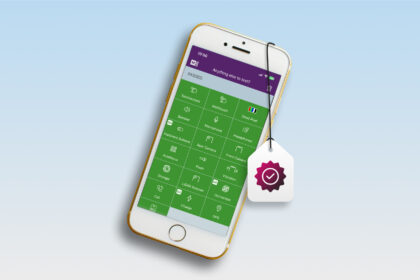
M360 Diagnostics provides structured diagnostic workflows for smartphones and tablets, combining automated and interactive tests with device-status checks and other device-level information.
For refurbishment businesses, available checks and features can help build a more complete picture of each device.
Functional diagnostics
M360 supports the assessment of device functions, helping teams identify potential issues that may require further attention. Structured testing also makes it easier to apply consistent procedures across devices and operators.
Battery and component information
Battery-related information and supported OEM part validation can contribute to the assessment of a device’s condition. These checks provide additional context when deciding how a device should be graded or processed.
Device-status checks
Blacklist checks can help identify potential resale concerns. Combined with diagnostic results, this information gives businesses more context than a basic visual inspection alone.
Device grading and reporting
M360 supports device grading and the documentation of diagnostic results. This can help refurbishment teams establish more consistent processes and maintain records of the checks performed.
Certified data erasure
M360 also offers certified data-erasure capabilities, supporting secure device processing before devices move to their next destination.
Together, these capabilities help turn individual device assessments into structured information that supports operational decisions. One device may need further attention, another may be ready for grading, while a third may not be commercially worthwhile to refurbish.
The objective is not simply to produce a Pass or Fail result. It is to provide information that helps businesses determine the next appropriate step for each device.
From Device Assessment to Documented Evidence
Testing a device is one part of the process. Being able to document what was checked can also matter, particularly when devices move between refurbishment teams, resellers, and end customers.
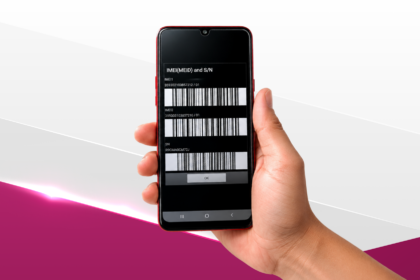
With M360 Certification, relevant device information can be presented in a device-specific certificate or report. Depending on the information available, this can include diagnostic results, device identifiers, battery information, blacklist status, grading, and data-erasure information.
This creates a useful distinction between saying that a phone has been tested and providing documented information about the assessment.
The certificate does not replace the refurbishment process or guarantee that a device will never develop a fault. It documents the results of the assessment.
An M360 account holder can choose to share the appropriate public certificate or report with a reseller or end customer, providing information about the assessed condition of that particular device.
For businesses operating at scale, this can support more transparent communication and provide a clearer record of the checks performed.
Why Consistent Diagnostics Matters at Scale
At low volumes, experienced technicians may rely heavily on manual inspections and individual knowledge. As processing volumes increase, maintaining consistent assessment standards becomes more challenging.
A structured diagnostic workflow can help teams apply repeatable checks, identify issues earlier, and document results in a consistent format. It can also make it easier for different teams to work from the same assessment information.
For refurbishment operations, this information can support decisions around further testing, repair, grading, and resale. It does not make those decisions automatically, but it gives teams a more consistent evidence base on which to make them.
M360’s batch-processing capabilities also help teams apply these procedures efficiently across multiple connected devices.
This is particularly valuable when businesses need to process large numbers of devices while maintaining reliable quality-control procedures.
Repair Information and Diagnostics Solve Different Problems
EU repairability requirements and device diagnostics serve different purposes.
Repair and maintenance information helps technicians understand how a product can be opened, maintained, diagnosed, or repaired. It may include disassembly instructions, spare-parts information, and technical details needed to carry out repair work.
Diagnostics helps assess the actual condition of a specific device. It can identify functional issues and provide structured results that support decisions about grading, further processing, and resale.
Neither replaces the other. Diagnostics cannot compensate for missing manufacturer repair instructions or substitute for repair expertise. Equally, a model’s repairability score cannot tell a refurbisher whether an individual unit has a faulty component or a degraded battery.
For professional refurbishment businesses, combining accessible product-level information with reliable device-level assessment provides a more complete basis for decision-making.
Building a More Transparent Refurbished Device Market
The first year of the EU’s repairability rules shows that introducing requirements is only one part of the challenge. Information must also be accessible, meaningful, and useful in practice.
For refurbishers, transparency also depends on understanding the condition of the individual devices they process and being able to document the checks performed.
Device diagnostics cannot solve every problem identified by the new regulations. It serves a different purpose: turning individual device conditions into structured, repeatable information that supports refurbishment workflows and clearer communication.
As the European smartphone market moves toward greater transparency, combining model-level repairability information with reliable device-level diagnostics can help businesses make better-informed decisions about used devices.
A more repairable smartphone market also needs better information about the devices themselves.
FAQ
1. What are the EU smartphone repairability rules?
Since June 20, 2025, smartphones and slate tablets placed on the EU market have been subject to ecodesign and energy-labelling requirements. These include spare-parts availability, repair and maintenance information, software updates, and a repairability class from A to E.
2. Why is smartphone repairability information not enough for refurbishers?
Repairability information describes a smartphone model, not the condition of an individual device. A phone may be designed for easy repair but still have a degraded battery, faulty components, a blacklist issue, or cosmetic damage. Refurbishers need device-level diagnostics to assess each unit accurately.
3. How can device diagnostics help smartphone refurbishment businesses?
Device diagnostics help identify potential functional issues, assess supported battery and component information, check device status, and document test results. This information supports decisions about repairs, grading, further processing, and resale.
4. How does M360 Diagnostics support smartphone refurbishment?
M360 Diagnostics provides structured workflows that combine automated and interactive tests, device-status checks, device grading, and diagnostic reporting. It also supports batch processing and certified data erasure, helping refurbishment businesses process devices more consistently and efficiently.
5. What is the difference between smartphone repairability and device diagnostics?
Repairability information explains how a smartphone model can be maintained or repaired, including access to repair instructions and spare parts. Device diagnostics assesses the actual condition of an individual phone. Both provide complementary information that helps refurbishment businesses make better-informed decisions and improve transparency.