In today’s fast-moving tech world, it’s easy to feel pressured to buy the latest phone. But is it really worth it? The answer, for many, is no. Used phones offer a smarter alternative that not only saves money but also supports a more sustainable future. Whether you’re a tech-savvy buyer or a business dealing in second-hand devices, the benefits of buying used phones are impossible to ignore.
Here are the top 5 benefits of buying used phones, along with expert advice on how to choose well.
1. Huge cost savings
Let’s start with the most obvious perk – you save a lot of money. New flagship phones can cost over €1,000, while used models often sell for 30–70% less. That’s a massive difference, especially when the phone still delivers excellent performance.
For retailers and wholesalers, buying used phones allows you to pass savings to your customers and improve your profit margins. It’s a win-win for everyone.
2. Reduced environmental impact
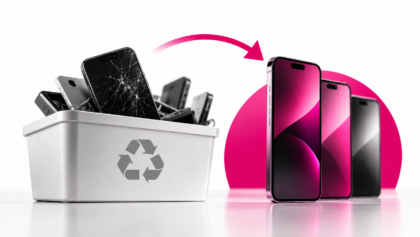
Every new phone requires raw materials, energy and manufacturing, all of which take a toll on the environment. When you choose used, you help reduce electronic waste and extend the life of perfectly good devices.
In fact, buying or reselling used phones contributes directly to a circular economy – something both environmentally conscious individuals and businesses value today.
3. Lower depreciation
New phones lose value fast – sometimes up to 40% within the first year. Used phones, on the other hand, have already taken that initial hit. This means they hold their value longer, which is especially helpful for businesses that buy, refurbish and resell phones.
It also means you’re getting more for your money in the long term.
4. Access to premium devices at lower prices
Want a flagship device with all the bells and whistles but can’t justify the price tag? Buying used phones makes it possible. You can buy last year’s top model still loaded with features at a fraction of the cost.
Retailers and marketplaces can also stock premium options for customers who want quality without breaking the bank.
5. Greater variety and flexibility
When buying used phones, you’re not limited to the current year’s models. You can pick from a wide range of makes, models and features to suit your needs. This is great for tech-savvy buyers looking for specific models or businesses fulfilling unique customer demands.
Ways to avoid buying faulty used phones
Buying used is smart, but only when done right. Here are five essential tips to make sure you get a quality device that works as expected:
Always run a full diagnostic test
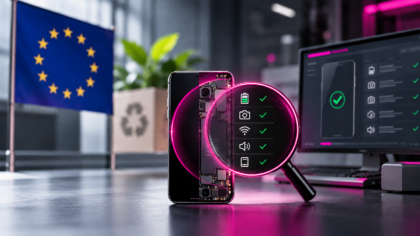
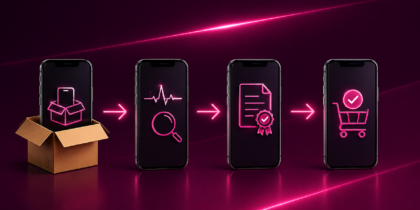
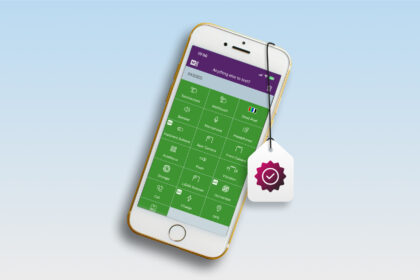
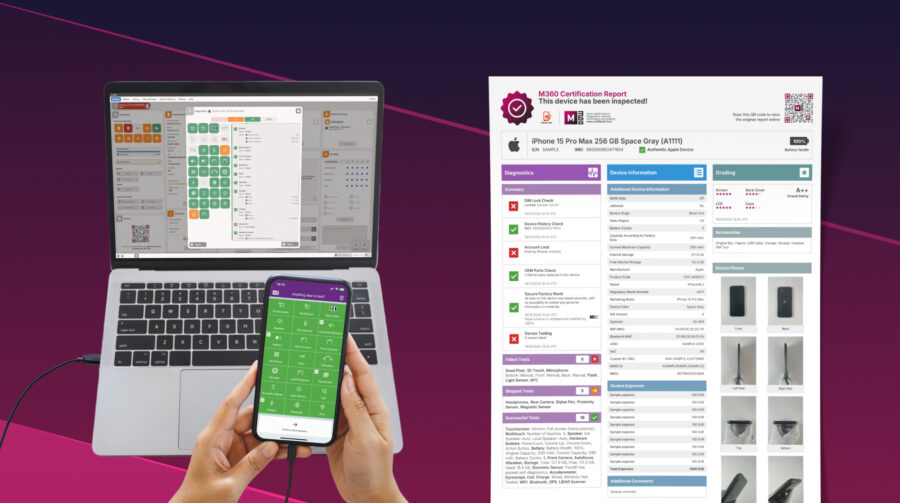
Before purchasing or selling a used phone, run a complete diagnostic check. This verifies the device’s battery health, screen responsiveness, sensors, camera quality and more.
Using professional-grade software like M360 ensures every component is tested and certified. This helps you avoid hidden faults that might not be visible at first glance.
Check IMEI and blacklist status
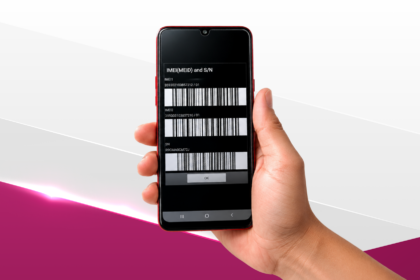
Every phone has a unique IMEI number. Before buying, verify the IMEI to ensure the device hasn’t been reported lost or stolen. If it’s blacklisted, you won’t be able to use it on most networks.
Most reputable sellers include this information, but it’s always worth double-checking with an IMEI checker tool.
Inspect the battery health
Battery replacement can be costly. A weak or degraded battery means shorter usage times and unhappy customers. Make sure to check the battery cycle count and health score before committing to the purchase.
For B2B buyers, battery condition is a key selling point, don’t overlook it.
Ensure certified data erasure
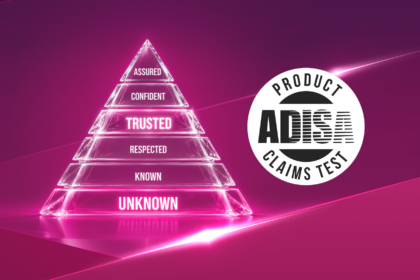
Data privacy laws are stricter than ever. When reselling devices, make sure previous data is fully wiped, not just factory reset. Manual erasure using certified tools (like M360’s ADISA-compliant process) guarantees no personal data is left behind.
This protects end users and boosts trust in your business.
Buy from trusted sources
Finally, always buy from sellers who test, grade and guarantee their devices. Look for sellers who offer warranties, return policies and clear product descriptions.
If you’re in the trade-in or refurbishment space, building partnerships with reliable suppliers is critical to avoiding faulty stock.
Final thoughts
Used phones aren’t just a budget-friendly choice, they’re a smarter, more sustainable option for both consumers and businesses. With the right checks in place, buying used can deliver high-quality devices at unbeatable value.
Whether you’re a retailer, marketplace, repair centre, or wholesaler, investing in proper diagnostics and sourcing standards is the key to success in the second-hand market.
FAQ: Top 5 Benefits or Buying Used Phones
1. Are used phones worth buying?
Yes. Used phones offer 30 – 70% savings compared to new flagship models while often delivering the same performance. With proper checks – including diagnostics, IMEI verification and battery health inspection – a used phone can be an excellent, reliable choice.
2. How do I know if a used phone is safe to buy?
Run a full diagnostic test on the device, check its IMEI against blacklist databases, inspect battery health, verify data has been securely erased, and purchase only from trusted, reputable sellers who offer warranties and clear product descriptions.
3. What is an IMEI check and why does it matter?
An IMEI (International Mobile Equipment Identity) check verifies that a phone has not been reported lost or stolen. A blacklisted IMEI means the device may be unusable on most networks, so checking it before purchase is essential.
4. Why do used phones hold their value better than new ones?
New smartphones can lose up to 40% of their value within the first year. A used phone has already absorbed that initial depreciation, meaning it retains its value more steadily – making it a smarter financial choice for both consumers and resellers.
5. Is buying a used phone better for the environment?
Yes. Manufacturing a new phone consumes raw materials and energy, contributing to carbon emissions and electronic waste. Choosing a used phone extends the life of an existing device and supports a circular economy, reducing your overall environmental footprint.
6. What should I check before buying a used phone?
Before purchasing a used phone, you should: (1) run a full diagnostic test covering battery, screen, camera, and sensors; (2) verify the IMEI is not blacklisted; (3) check battery health and cycle count; (4) confirm personal data has been securely wiped; and (5) buy from a trusted seller with a clear return policy.