The secondary phone market loves labels.
Renewed.
Refurbished.
Certified.
Pre-owned.
Used.
Sometimes they describe real processes.
Sometimes they’re just marketing layers.
If you’re a reseller, wholesaler, refurbisher or marketplace operator, this isn’t semantic. The terminology affects:
- Buyer trust
- Warranty expectations
- Return rates
- Pricing power
- Compliance exposure
Let’s break down what each term actually means and where the real differences begin.
Pre-owned phones
Pre-owned is essentially a retail-friendly alternative to the term used. It is essentially a used phone that has had a previous owner. The term itself only describes ownership history, not the technical condition of the device.
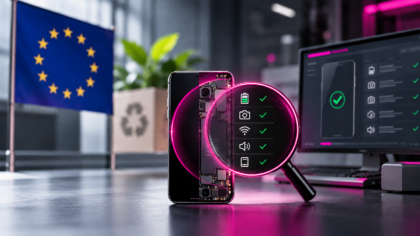
Testing may or may not be performed depending on the seller. However, professional resellers typically run diagnostic checks before resale to verify core functionality like:
- Screen functionality
- Battery health
- Speaker and microphone
- Connectivity
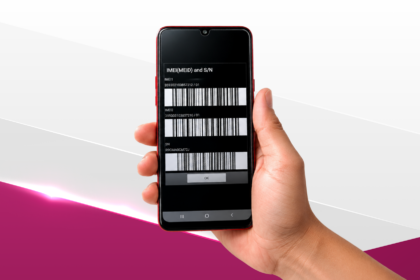
- IMEI status
Repairs are not mandatory in the used category. If the device passes testing within the seller’s defined standards, it is usually sold in its current condition without restoration or part re
Renewed phones
Renewed typically means the device has been:
- Inspected
- Confirmed functional
- Cleaned or lightly refreshed
It often appears on large marketplaces.
However, there is no universal technical standard defining what “renewed” must include. Some sellers apply structured diagnostic testing, while others rely on more basic functional checks. In most cases, renewed indicates that the device works, but it does not necessarily mean it has been repaired, restored to a defined quality threshold or re-tested under a standardised process.
Refurbished phones
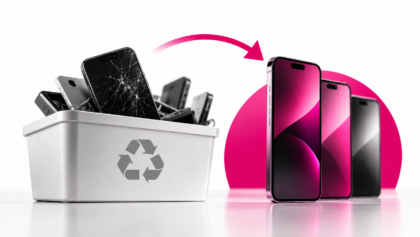
Refurbished has a stronger operational meaning than most other resale labels. It does not simply describe prior ownership or basic functionality. Instead, it implies that the device has gone through a structured testing and restoration process before being placed back on the market.
A refurbished phone is typically:
- Fully tested
- Repaired if defects are identified
- Restored to a defined quality standard
- Re-tested before resale
The goal is not just to confirm that the device works, but to bring it back to a predictable and documented condition.
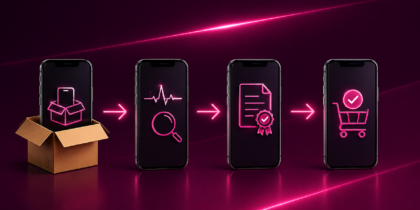
This process often includes:
- Automated multi-point diagnostics
- Defined battery health thresholds
- Component repair or replacement where necessary
- Cosmetic restoration
- Certified data erasure
- Final quality control approval
In short, refurbished implies both restoration and standardization — not just inspection.
Certified / certified pre-owned phones
Certified suggests the device passed a defined verification process.
That may include:
- Structured diagnostics
- Documented test reports
- Defined grading criteria
- Warranty backing
- Formal quality control approval
But here’s the critical point:
Certification only has value if the process behind it is transparent and repeatable. Without standardised diagnostics and documentation, “certified” becomes branding.
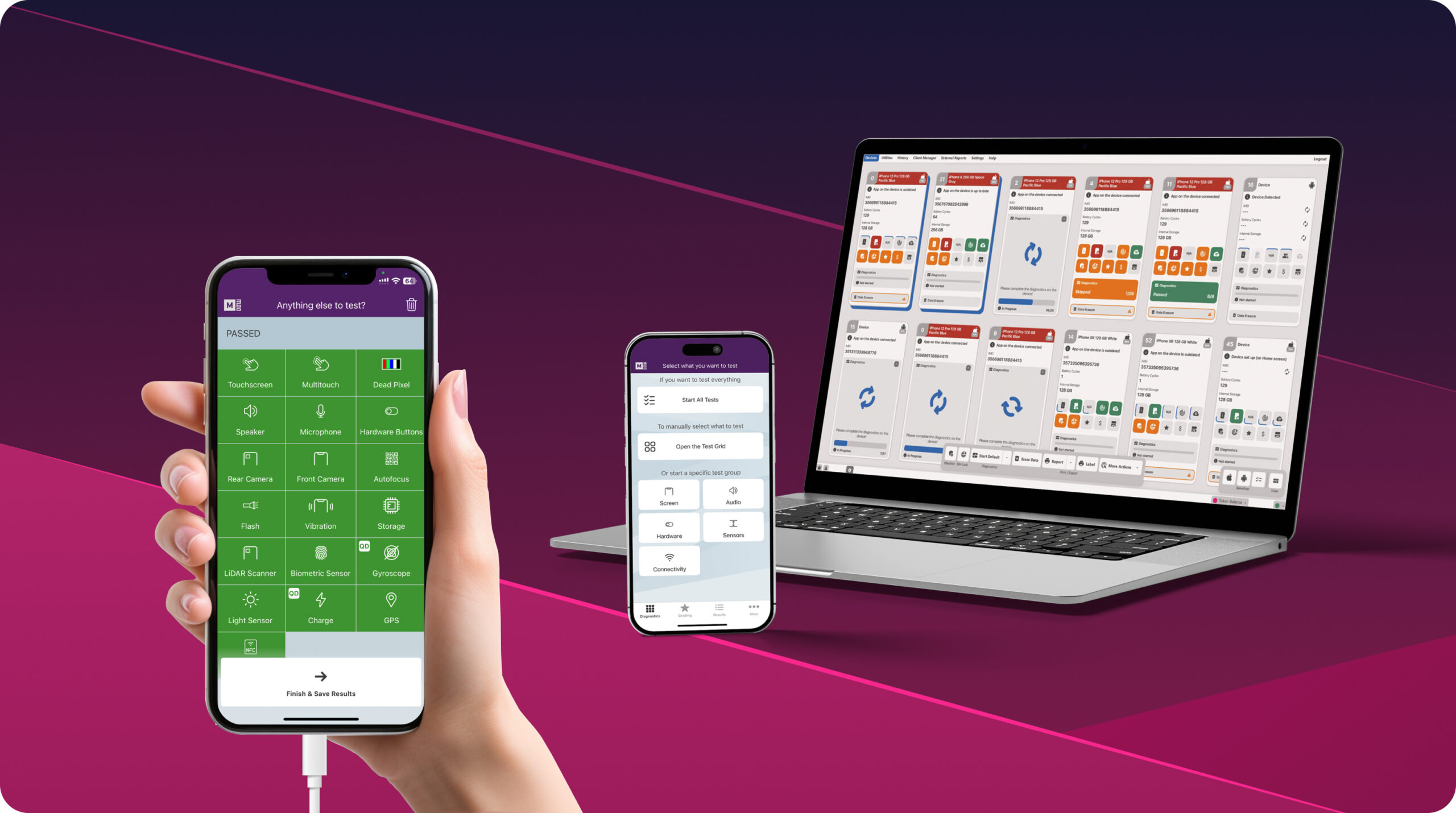
With structured tools like M360 generating test reports and certified data erasure records, certification becomes defensible proof.
And proof changes negotiation dynamics.
Side-by-side comparison
| Category | Tested | Repaired if needed | Standardized process | Documentation | Warranty common |
|---|---|---|---|---|---|
| Pre-owned | Sometimes | Not required | Varies | Limited | Rare |
| Renewed | Usually | Not mandatory | Varies | Limited | Sometimes |
| Refurbished | Always | Yes | Yes | Structured | Often |
| Certified | Yes | Often | Defined | Formalized | Often |
Notice something?
The difference is not ownership. It’s process control.
What actually matters more than the label
In today’s secondary device market, terminology alone does not create trust. Buyers have become more informed and serious wholesale or retail partners evaluate the process behind the label rather than the wording itself.
In 2026, professional buyers typically care about:
- Battery health transparency
- IMEI and blacklist validation
- Verified functional diagnostics
- Data erasure confirmation
- Clear and consistent grading standards
- Repeatable quality control procedures
These elements directly reduce risk. They determine whether a device will generate returns, disputes or margin erosion.
If you cannot provide documentation to support your testing and grading process, the label alone does not protect you. On the other hand, when you can present structured diagnostic reports and standardized workflows, the terminology becomes secondary because the proof speaks for itself.
This is why diagnostic infrastructure matters. It turns quality from a claim into measurable evidence.
Why diagnostics define modern resale operations
Modern resale operations cannot rely on informal or inconsistent testing methods. Manual testing introduces variability and variability creates risk – especially at scale.
When testing standards are not structured, inconsistency can lead to:
- Hidden hardware faults
- Grading disputes between buyers and sellers
- Elevated RMA rates
- Margin erosion across bulk transactions
Even small percentages matter. A 2% defect rate on 5,000 monthly devices results in 100 potential returns. When logistics, handling and customer service costs are included, that impact compounds quickly.
This is why professional diagnostic platforms such as M360 are becoming operational infrastructure rather than optional tools. Structured systems provide:
- Automated multi-point testing
- IMEI and blacklist checks
- Battery performance measurement
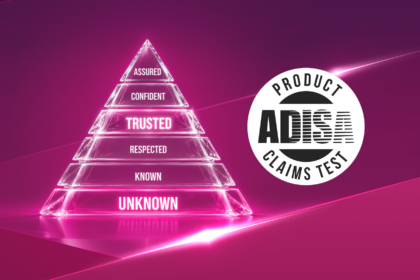
- Certified data erasure compliant with ADISA standards
- Downloadable certification reports
- Standardised grading workflows
The result is consistency. And consistency turns quality from something subjective into something measurable. Measurable quality reduces disputes, protects margins and scales with volume.
For wholesalers and bulk buyers
For high-volume operators, terminology is rarely the deciding factor. What matters far more is operational consistency and risk control across batches.
In bulk environments, buyers focus on:
- Defect percentage across shipments
- Documentation consistency
- Batch testing capability
- Traceable device history
These factors directly influence return rates, dispute frequency and margin stability.
If you’re purchasing three devices, labels may influence perception. If you’re purchasing 3,000 devices, the process behind the label determines financial outcome. At scale, even minor inconsistencies multiply quickly.
This is why standardised diagnostics form the backbone of scalable resale operations. Structured testing, documented results and repeatable workflows reduce variability and protect margins in high-volume trading environments.
Final takeaway
The difference between renewed, refurbished, certified and pre-owned phones is not ultimately about marketing language. It is about the structure and discipline behind the process.
What truly separates categories is:
- Testing depth
- Repair requirements
- Documentation
- Repeatability
- Risk control
The more structured and repeatable the workflow, the more defensible the pricing becomes. Buyers are willing to pay for predictability, transparency and reduced risk.
In a maturing secondary device market, defensible pricing is not just an advantage – it is a competitive differentiator. Businesses that rely on terminology alone compete on price. Businesses that rely on structured diagnostics and documentation compete on trust.
FAQ: Renewed vs refurbished vs certified vs pre-owned phones?
1. Is renewed the same as refurbished?
No, they are not the same. Renewed usually means the device has been inspected and confirmed to be working, but it may not have undergone mandatory repairs or full restoration. Refurbished devices are typically tested, repaired if defects are found, restored to a defined quality standard and re-tested before resale.
2. Is pre-owned different from used?
In most cases, pre-owned and used mean the same thing: the device has had a previous owner. Pre-owned is often a retail-friendly term that sounds more premium, but it does not automatically indicate deeper testing or repairs. The real difference depends on the seller’s testing and documentation process.
3. What does certified pre-owned mean?
Certified pre-owned suggests that the device passed a defined testing and quality control process before resale. This often includes structured diagnostics, grading standards and sometimes warranty coverage. However, certification only has real value if the testing process is standardized and documented.
4. Are refurbished phones more reliable than renewed phones?
Generally, yes. Refurbished phones are repaired if issues are detected during testing, which reduces the likelihood of hidden defects. Renewed phones may function properly, but they are not always restored to the same defined technical standard.
5. Do all refurbished phones get new batteries?
Not necessarily. Batteries are usually replaced only if they fall below a defined health threshold or fail diagnostic testing. Professional refurbishment processes often measure battery health and apply clear replacement criteria rather than replacing parts automatically.
6. Are renewed phones safe to buy in bulk?
They can be, but the risk depends on the consistency of testing. In bulk transactions, even a small defect percentage can lead to significant return volumes. Buyers should always request documented diagnostic reports and clear grading standards before purchasing at scale.
7. Why does documentation matter when buying wholesale devices?
Documentation reduces uncertainty. When buyers can see battery health data, IMEI validation results and functional test reports, disputes decrease and pricing becomes more stable. In high-volume environments, structured documentation directly protects margins.
8. Is certified the same as refurbished?
Not always. A device can be refurbished without being formally labeled as certified. Certified typically implies an additional layer of documented quality control and defined standards, but the meaning depends on the seller’s process.
9. Which category offers the highest resale value?
Refurbished and certified devices typically command higher resale prices because they reduce buyer risk. Devices with documented diagnostics and quality control reports are easier to sell and negotiate. Used or pre-owned devices may sell faster but often at lower margins.
10. What matters more: the label or the testing process?
The testing process matters more. Labels like renewed, refurbished or certified only carry weight if they are backed by structured diagnostics, repeatable quality control and actual documents that prove the condition of devices. Standardised testing systems, such as professional diagnostic platforms, make the difference measurable and defensible.