The market for used and refurbished mobile devices has quietly reached a turning point. In 2026, it is no longer a niche sustainability initiative – it is a dominant economic sector valued at $78.6 billion. Consumer habits are shifting, legislation is catching up and technology is finally delivering the one thing the industry has always lacked: trust.
Kazakhstan on the Tech Map: The Signal from GITEX AI 2026
The inaugural GITEX AI Kazakhstan exhibition, held in Almaty on May 4-5, 2026, made one thing clear: Central Asia and the Caucasus have become serious players in digital transformation. With 336 tech companies and startups from 50 countries gathered under one roof, the event placed AI-based infrastructure and smart manufacturing at the centre of the conversation – not as aspirational goals, but as economic imperatives.
Kazakhstan’s target of exporting $5 billion worth of AI solutions by 2029 signals an appetite for precision software across the region. For platforms like M360 Diagnostics, that represents both a market and a mandate.
“Greener” Is the New “Premium”
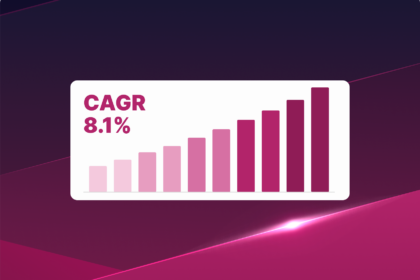
The secondary device market is growing at 8-10.4% annually, while new device sales remain flat. Three forces are driving this:
- Longer device lifespans. Consumers now keep their phones for an average of 3.5 years, up from 2 years a decade ago.
- A generational attitude shift. For Gen Z, buying refurbished is not a compromise – it is a deliberate, values-driven choice.
- Accessible pricing. The sweet spot of $200-$350 now puts premium-spec devices within reach for a much broader audience.
Bridging the Trust Deficit
Despite half of all consumers expressing interest in refurbished devices, a large share never follows through. The barriers are consistent: uncertainty about battery health, anxiety over hidden defects and concerns about data security from previous owners.
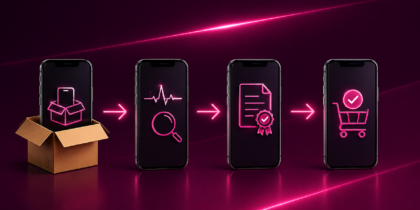
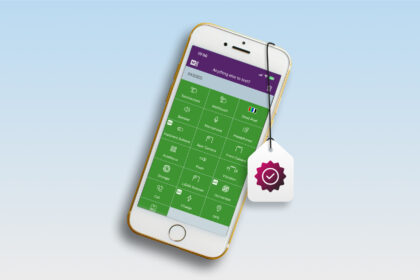
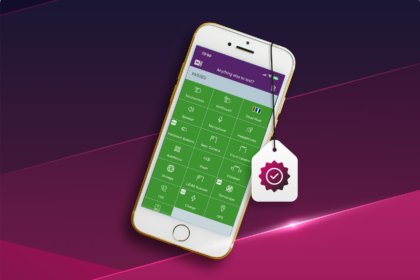
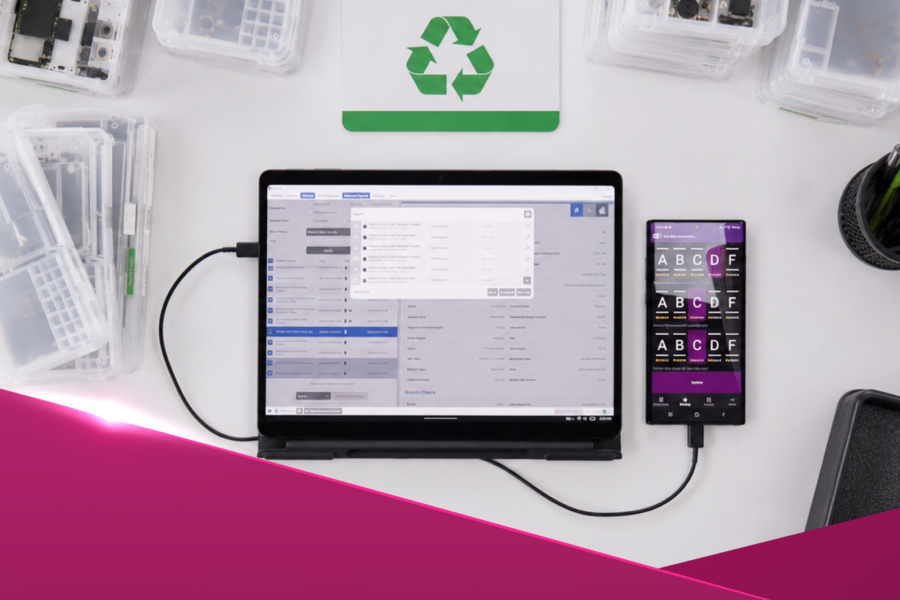
This is the gap M360 Diagnostics is built to close. Its 80+ point inspection process and ADISA-certified secure data erasure give refurbishers the tools to make an honest, verifiable promise to buyers: you know exactly what you’re getting.
The M360 team is currently developing functionality that specifically accelerates the diagnostics of Apple devices – extending beyond standard OEM parts recognition to provide refurbishment companies with deeper, actionable data at the component level. The direction is clear: more transparency, faster and earlier in the process.
Regulatory Tailwinds: Right to Repair and the Digital Product Passport
Policy is now reinforcing what the market already wants. Colorado’s Right to Repair law, which took effect January 1, 2026, prohibits software-based parts pairing and requires manufacturers to provide access to repair tools. Across the Atlantic, the EU’s Digital Product Passport (DPP) mandates lifecycle tracking from production through recycling – creating a documented chain of custody that benefits every participant in the circular economy.
Together, these regulations reward transparency and penalize opacity. Businesses built on verifiable diagnostics are structurally aligned with where the law is heading.
Conclusion
The circular economy is no longer a side bet – it is the core of forward-looking business strategy. M360 Diagnostics provides the infrastructure that makes that strategy credible: for refurbishers who need to stand behind their inventory, for marketplaces that need to build buyer confidence and for consumers who want to make a smarter, more sustainable choice.
FAQ: The Refurbished Revolution
1. What exactly does an 80+ point inspection cover?
The inspection assesses every major functional and cosmetic dimension of a device – including battery health, screen integrity, camera performance, connectivity modules and internal components – producing a standardised condition report that refurbishers can share directly with buyers.
2. How does ADISA-certified data erasure protect previous owners’ information?
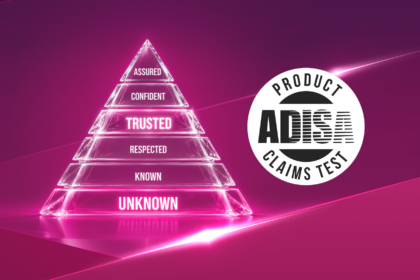
ADISA (Asset Disposal and Information Security Alliance) certification means the erasure process meets independently audited standards for permanent data removal. No recoverable trace of the previous user’s data remains on the device.
3. Does M360 work with devices beyond Apple?
Yes. While the team is currently expanding its Apple-specific diagnostic depth, M360’s core platform supports a broad range of Android and iOS devices – making it viable for multi-brand refurbishment operations.
4. How does the Right to Repair law affect refurbishers specifically?
By prohibiting software locks that prevent third-party repairs or flag non-OEM parts as invalid, the law levels the playing field. Refurbishers can now service and sell devices without artificial manufacturer restrictions, undermining the product’s functionality or resale value.
5. Where can refurbishment businesses get started with M360 Diagnostics?
The best starting point is a direct conversation with the M360 team to assess your current workflow and identify where diagnostics can reduce returns, improve grading accuracy and build buyer confidence at scale.