IMEI checks are one of the simplest steps in the used phone business and one of the most expensive to skip.
A phone can power on, look perfect and pass functional tests, yet still be unsellable if the IMEI is blacklisted. When that happens, there is no repair, no workaround and no explanation that saves the device’s value.
This guide explains how to verify IMEI numbers and detect blacklisted phones, using a structured, professional approach that works for individual buyers and resale businesses alike.
What an IMEI actually represents (and why it matters)
IMEI stands for International Mobile Equipment Identity. It is a unique identifier assigned to every mobile device and used globally to manage network access and device status.
Carriers, insurers, marketplaces and law enforcement rely on IMEI data to determine whether a phone:
- can connect to mobile networks
- has been reported lost or stolen
- is linked to insurance or financing claims
If the IMEI is flagged, the phone is flagged, regardless of how well it functions.
Step 1: Retrieve the IMEI from the device itself
Never rely on a single source when checking IMEI numbers. Always cross-check.
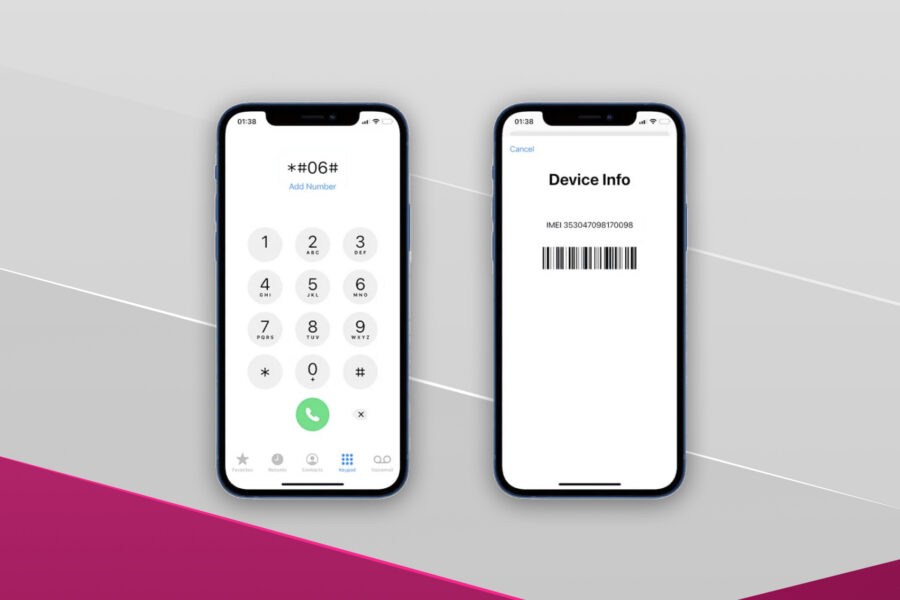
You can retrieve the IMEI by:
- dialing
*#06#on the device - checking the device settings
- inspecting the SIM tray or back of the phone
- comparing it with the original box, if available
If the IMEI displayed on the screen does not match the physical label, the device should be rejected immediately. IMEI mismatches are a strong indicator of tampering or illegal modification.
Step 2: Run an IMEI blacklist check before buying
This is the most critical step and the one most often skipped.
An IMEI blacklist check shows whether the device has been:
- reported lost or stolen
- blocked by a carrier
- restricted due to insurance claims
- flagged for unpaid contracts
Blacklist systems operate at a network level, meaning a phone can be blocked regardless of where or how it is sold. Global device identity and blocking standards are defined by organizations such as the GSMA, which is why blacklist issues cannot be fixed later.
If a phone is blacklisted, it may still power on and function, but it can lose network access at any time.
Why basic IMEI checks are often not enough
A basic IMEI lookup can confirm whether a phone is blacklisted at this exact moment. That is useful, but it does not tell the whole story.
Free or basic checks often fail to reveal:
- pending blacklist actions that have not propagated yet
- carrier-specific restrictions
- inconsistencies between different IMEI databases
- mismatches between the IMEI and actual device hardware
This is why some devices pass an IMEI check at purchase but become blocked later. As the used device market has matured, relying on single-source or free IMEI checks has become a risk rather than a safeguard.
Step 3: Understand different blacklist types
Not all blacklist results carry the same level of risk. Understanding the reason behind a blacklist flag is essential.
- Devices reported as lost or stolen should always be avoided. These phones are typically permanently blocked and may involve legal risk.
- Phones linked to insurance claims are also high risk, as they are often blocked once replacement devices are issued.
- Devices flagged for unpaid contracts or financing may continue working temporarily but can be blocked later without warning.
- Regionally blacklisted devices may function in some countries and fail in others, making them unreliable for resale.
If the blacklist reason is unclear, the safest option is to reject the device.
Step 4: Watch for IMEI manipulation and duplication
IMEI-related fraud still exists and is costly when missed.
Warning signs include:
- IMEI numbers that do not match the device model
- invalid IMEI formats
- multiple devices sharing the same IMEI
Cloned or manipulated IMEIs can lead to marketplace bans, seized inventory and reputational damage. These issues often surface after resale, when it is too late to recover losses.
Step 5: Combine IMEI checks with diagnostics and documentation
IMEI verification should never be a standalone step.
Professional resale workflows combine:
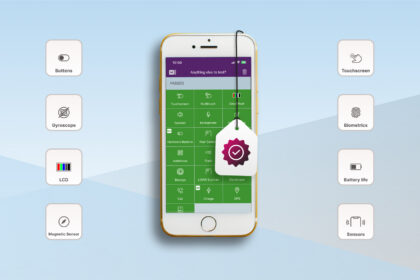
- hardware diagnostics
- sensor and component testing
- battery evaluation
- IMEI and blacklist verification
- structured documentation
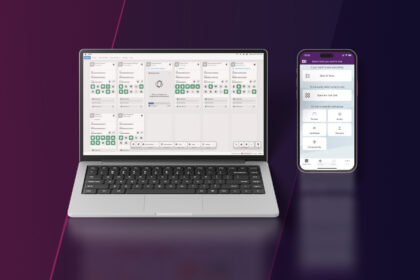
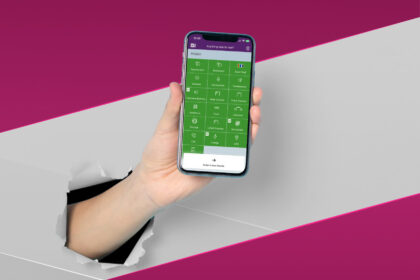
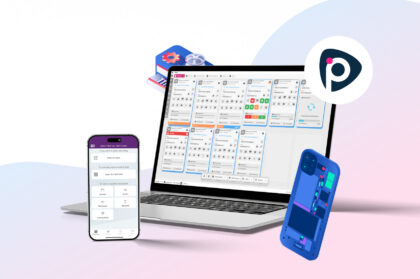
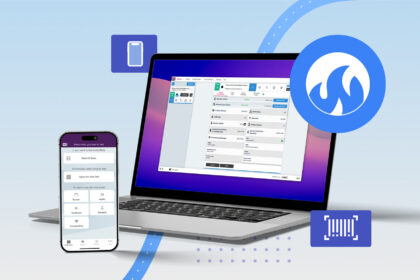
Platforms like M360 integrate IMEI verification directly into the diagnostics process, linking device identity to test results and reports. This creates traceability and proof not just a pass or fail decision.
Why IMEI checks reduce returns and disputes
IMEI-related issues are among the hardest problems to resolve after a sale. Once a device is blocked, functionality no longer matters.
By verifying IMEI status upfront and documenting results, businesses protect themselves from:
- unsellable inventory
- customer complaints
- chargebacks
- marketplace penalties
IMEI verification is not about caution – it is about risk control.
IMEI checks for individual buyers vs resale businesses
IMEI verification matters to everyone, but the risk profile changes completely depending on who is buying.
Individual buyers
For individual buyers, IMEI checks help avoid scams and obvious mistakes. They are especially important when purchasing from marketplaces or local sellers, where device history is unclear and deals can look suspiciously good.
A clean IMEI at the time of purchase significantly reduces the chance of ending up with a phone that cannot be activated or resold later.
Businesses and resellers
For resale operations, IMEI checks are not optional – they are a requirement.
At scale, even one blacklisted device can lead to customer complaints, chargebacks and lost trust. This is why professional resellers do not treat IMEI verification as a standalone task. They rely on platforms like M360 to combine IMEI and blacklist checks with diagnostics, testing and documentation before inventory is accepted or certified.
In modern resale workflows, IMEI verification is part of quality control.
A simple IMEI verification workflow that works
A reliable IMEI process does not need to be complex.
A practical workflow looks like this:
- Retrieve IMEI from the device
- Cross-check physical and digital IMEI
- Run a blacklist check
- Identify blacklist type, if any
- Link IMEI results to diagnostics and reports
- Approve, reject or reprice the device
This approach works whether you are testing one phone or processing thousands.
FAQ: IMEI checks and blacklisted phones
Can a blacklisted phone still work?
Yes, sometimes, but often only temporarily. Many blacklisted phones lose network access later without warning, even if they worked at the time of purchase. This makes them unreliable and risky for resale.
Is IMEI checking legal?
Yes. IMEI verification is a legal and standard practice used globally by carriers, marketplaces and resale businesses. It is a normal part of due diligence when buying or selling used devices.
Can blacklisted phones be fixed?
In most cases, no. Blacklisting occurs at the network level, not on the device itself, so software resets or repairs will not remove the restriction. Avoiding blacklisted devices is far safer than trying to recover them later.
Should IMEI be checked even from trusted suppliers?
Yes. Trust does not replace verification. Even reputable suppliers can unknowingly pass on devices with IMEI issues, especially when inventory changes hands multiple times.
How do professionals handle IMEI checks at scale?
Professionals automate IMEI verification and link results directly to diagnostics and documentation. Platforms like M360 help resellers standardise checks, reduce human error and create proof of device status before resale.